
Ethylene Vinyl Acetate (EVA)
What Is EVA (Ethylene Vinyl Acetate)?
Ethylene vinyl acetate (EVA) is a copolymer of ethylene and vinyl acetate. Thanks to its flexibility, impact resistance, easy processing and toughness at low temperatures, it is used in foams, shoe soles, films, hot melt adhesives, wire and cable and industrial parts.
Available Grades
No grade on this page matches this combination of filters. Change a filter or contact us to discuss other options.
Technical specifications and uses are provided based on each producer's technical data sheet (TDS), and a grade is not limited to the uses listed. The test conditions and methods for each grade are also given in its TDS. To choose the right grade or review alternatives, contact NAB CHEM.
The Role of VA and MFI in Choosing an EVA Grade
Two numbers define how each EVA grade behaves:
Vinyl Acetate Content (VA)
- Higher VA: EVA becomes softer, more flexible and more adhesive, with a lower melting point.
- Lower VA: closer to polyethylene and stiffer.
Melt Flow Index (MFI)
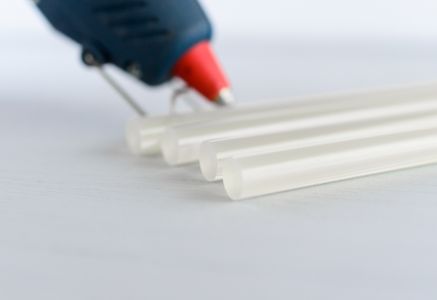
- High MFI: grades flow easily and are mostly used in hot melt adhesives.
- Low MFI: grades give more melt strength for foaming, injection moulding and compounding.
Features
Flexibility and Shock Absorption
Soft and flexible; used in foams and shoe soles.
Toughness at Low Temperature
Keeps its mechanical properties in the cold.
Adjustable Adhesion
Higher VA content increases adhesion to polar surfaces such as paper.
Wide Range of Grades
Grades with different MFI values for foam, injection moulding and hot melt adhesives.
Major Applications
Hot Melt Adhesives

Foam

Footwear and Shoe Soles

Wire and Cable Coating
Request a Quote and Order
To enquire about price and availability, for direct import on a proforma basis, or for advice on choosing the right grade, send us your request.